


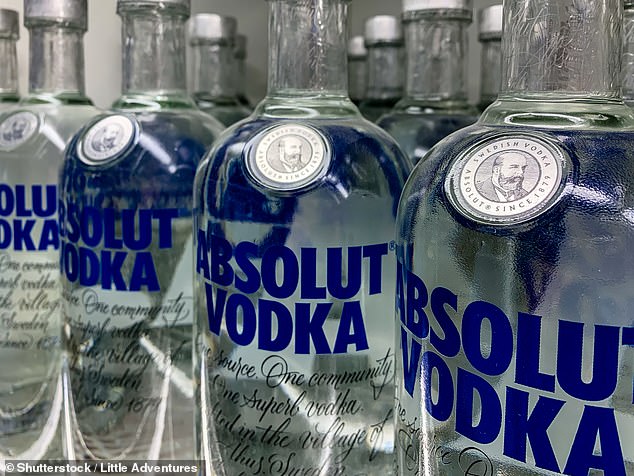
Pulling off big mergers in the rarefied spirits arena is tricky. So, the disclosure of a putative deal between Paris-based Pernod Ricard and Brown-Forman is a surprise.
The late Ivan Menezes of Diageo was always on the lookout for building premium brands and kept in touch with US bourbon producers and the distillers of Bacardi in the Caribbean.
The main barrier to deals was many firms on his radar were family controlled and reluctant to part with a legacy.
The key to Pernod Ricard effectively buying Brown-Forman’s premium whiskeys such as Jack Daniel’s has always been winning over the Forman family.
It controls up to two-thirds of the stock. A paper merger of equals would enable the controlling Forman family to keep a substantial stake in the combined empire.
The transaction could be smoothed by the Ricard family’s 15 per cent holding in the French group with one-fifth of the voting rights.
Watching closely from the sidelines will be ‘Drastic’ Dave Lewis, parachuted into Johnnie Walker and Guinness parent Diageo in January of this year charged with reversing a falling share price.
So far, Lewis has kept his powder dry. But the suggestion has been that he would favour disposing of peripheral brands, such as China’s Baijiu, and focus on lowering the prices of some of the company’s more premium spirits.
Losing appeal: After a long period of growth for luxury spirits there has been a notable tailing off in demand over the last several years
After a long period of growth for luxury spirits there has been a notable tailing off in demand over the last several years.
The North American market, where Diageo earns up to 50 per cent of its revenues, has become difficult. In contrast, Pernod earns just 20 per cent of revenues there and ownership of a variety of premium bourbons such as Old Forester – unaffected by Trump’s tariff wars – would strengthen the French group’s hand in the US.
Sales of spirits, or liquor as the Americans call it, have been drifting, dropping 2pc to $36billion (£27billion) last year.
Younger Americans are drinking less alcohol and switching to legal cannabis products available in 24 states and Washington DC. Yet, as viewers of Netflix will know, the ‘shot’ culture is still alive and well.
A bigger Pernod Ricard is not without interest in Britain. It has a big stake in Scotch whisky through blended brands Ballantine’s and Teacher’s together with my personal favourite single malt, the very peaty Laphroaig.
There is a rich British legacy buried in Pernod Ricard dating back to the 1978 merger of Allied Breweries with the food and catering group
J Lyons creating Allied Lyons. It later merged with Domecq and was absorbed by Pernod in 2005.
The fate of the Lyons name, a big presence on Britain’s high streets in the 1950s and 1960s, has a particular resonance for my family as descendants of the Anglo-Jewish commercial dynasty whose name was over the door. Lyons is a brand name still available on premium coffee and other items.
A Pernod Brown-Forman deal is clearly defensive and an attempt by both companies to preserve leading spirits brands. Brown-Forman has been hit by reciprocal levies overseas.
And Pernod suffered more directly from the Trump tariffs. The fact that the Forman and Pernod families would rather engage in a no-premium merger than sell-out to financial buyers shows a keenness to stay with the project. And as JP Morgan says, a ‘potential longer-term upside’.
There is a lesson in that for Diageo as it comes under shareholder pressure to break up and disgorge brands.
DIY INVESTING PLATFORMS
AJ Bell
AJ Bell
Easy investing and ready-made portfolios
Hargreaves Lansdown
Hargreaves Lansdown
Free fund dealing and investment ideas

interactive investor
interactive investor
Flat-fee investing from £4.99 per month

Freetrade
Freetrade
Investing Isa now free on basic plan

Trading 212
Trading 212
Free share dealing and no account fee
Affiliate links: If you take out a product This is Money may earn a commission. These deals are chosen by our editorial team, as we think they are worth highlighting. This does not affect our editorial independence.