


Australia’s online safety chief has advised the Albanese government to ban children from YouTube as part of its upcoming plans to stop under-16s from accessing social media.
The government is set to introduce a world-first ban on children accessing platforms such as TikTok, Facebook, Instagram, X, and Snapchat.
YouTube, which is owned by Google, was initially expected to receive an exemption due to its perceived educational value. However, eSafety Commissioner Julie Inman Grant has advised the government to remove the exemption.
Ms Grant’s advice, which was sent to Communications Minister Anika Wells last week, stated that the ‘known risks of harm on YouTube’ made the exemption ‘inconsistent with the purpose’ of the ban.
Wells is reportedly due to decide on the advice in the coming weeks.
The social media ban, which is due to come into effect in December after passing with bipartisan support, will fine platforms up to $50 million unless they take steps to ensure under-16s cannot access them.
Ms Grant is due to unveil the e-Safety Commission’s latest research into the alleged harms of social media during an address at the National Press Club on Tuesday.
According to the AFR, a survey of 2,600 children aged 10 to 15 found that 96 per cent had used at least one social platform.
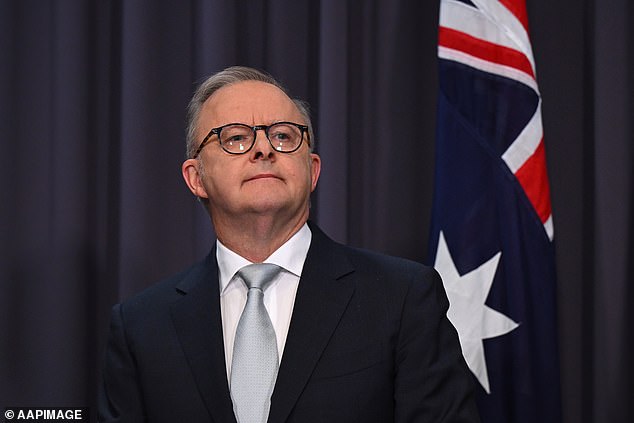
Anthony Albanese’s government is set to introduce a world-first ban on children accessing platforms such as TikTok, Facebook, Instagram, X and Snapchat

YouTube, which is owned by Google, was due to receive an exemption because of its perceived educational value but the e-Safety Commissioner Julie Inman Grant (pictured) has advised the government to scrap the carve-out
Meanwhile, around 70 per cent had encountered harmful content, including fight videos, misogynistic material, or eating disorder content.
Ms Grant told the ABC’s RN that YouTube was ‘by far’ the most used and the predominant online location where young Australians experienced harm.
‘When we asked where they were experiencing harm and the kinds of harms they were experiencing, the most prevalent place where young Australians experienced harm was on YouTube, almost 37 per cent,’ she said.
‘And this ranges from misogynistic content to hateful material to violent fighting videos, online challenges, disordered eating, (and) suicidal ideation.’
A spokesperson for Wells said she would consider the advice.
‘Her top priority is making sure the draft rules fulfil the objective of the act – protecting children from the harms of social media,’ the spokesperson said.